Knee
Patellofemoral complications after TKR
Lateral patellar dislocation and patellar clunk syndrome following knee replacement.
9 questions
2 source pages
1 images
Images appear with the first question taken from each source page — tap a question to open it.
Q1What factors affect patellar dislocation after TKR?📷▸
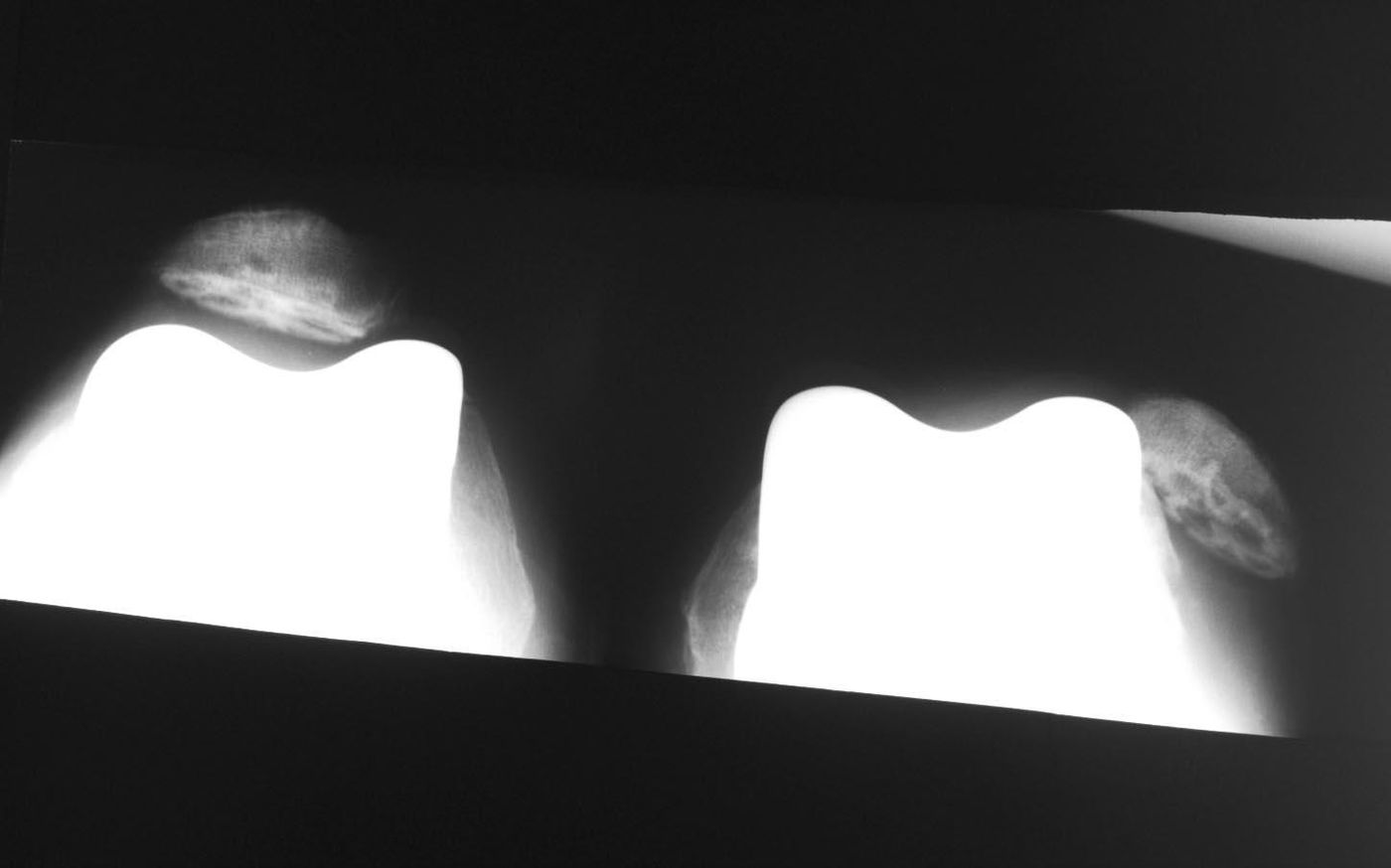
- Pre op: valgus knee with lateral tightness
- Implant alignment/position increasing the Q angle
- Patella component: laterally placed, overstuff
- Femoral component: medially placed, IR, overstuff
- Tibial component: medially placed, IR; overall excessive valgus
Q2How do you assess patellar tracking intra-operatively?▸
- No thumb technique
- If failed, release the tourniquet and try again
- If still failed, release the lateral retinaculum 1cm from the patella
Q3How do you investigate post-operative patellar dislocation?▸
- Rule out infection, loosening, fracture
- Check alignment with CT (axial cuts)
- Check rotation: TEA vs posterior femoral component edge, perpendicular line of posterior tibial plane through stem centre, TT to stem line for IR
Q4What are the treatment options for post-TKR patellar dislocation?▸
- Correct the underlying causes
- If no alignment problem: Insall procedure (lateralize and distalise VM)
- Lateral retinaculum release, vastus medialis advancement, medial plication
- Bony: TT osteotomy
Q5What is patellar clunk syndrome?▸
- Painful, palpable clunk at the PFJ of a PS TKR
- Fibrous nodular scar at the posterior surface of the distal quads tendon / superior patellar pole
- Catches on the box of the femoral component during knee extension
- Flexion, then catch during extension
Q6How does patellar clunk differ from patellar crunch and dislocation?▸
- Crunch: scar around the patellar implant, crunch sensation moving from extension to flexion, catch during flexion
- Clunk: catch near extension
- Dislocation: clunk near flexion
Q7What preoperative risk factors predispose to patellar clunk?▸
- Patella baja
- Previous knee surgery
- Valgus knee
- Extensive synovitis
Q8Which patellar implant factors cause patellar clunk?▸
- Small patellar implant --> decreased quads tendon contact forces against the superior intercondylar box --> fibrosynovial proliferation
- Overresection / thin implant --> reduces the offset of the quad tendon
- Inferior placement --> bare bone at superior pole exposed
Q9Which femoral and insert factors cause patellar clunk?▸
- PS femur (IB2 with short, abrupt flange)
- Increased posterior femoral condylar offset
- Small femoral component
- Femoral component in flexion
- Thick PE insert causing raised joint line and patella baja